
Confidence in recycling continues to erode, but the story is not that simple. The 2026 Recycling Confidence Index shows that when communities have the right supports, clear instructions, carts, and in-home bins, resident engagement and confidence can improve in measurable ways. Measures tied to local recycling performance are improving, while confidence in system outcomes is slipping. People may be recycling more effectively at home, but many still lack trust that the system is delivering after materials leave the bin.
That tension sits at the heart of the 2026 Recycling Confidence Index, The Recycling Partnership’s longitudinal study tracking public confidence in recycling across 10 measured factors. First published in 2022, this update, featured in the 2026 State of Recycling Part One: Setting the Stage | Observations of the U.S. Residential Recycling System, offers the first look at how confidence has shifted since that baseline.
The findings make one thing clear: participation numbers alone do not tell the full story. To build a better recycling system, we need to strengthen both performance and public trust. The Recycling Partnership’s role is to close that gap with data, practical tools, and system-level action that helps recycling work better for everyone.
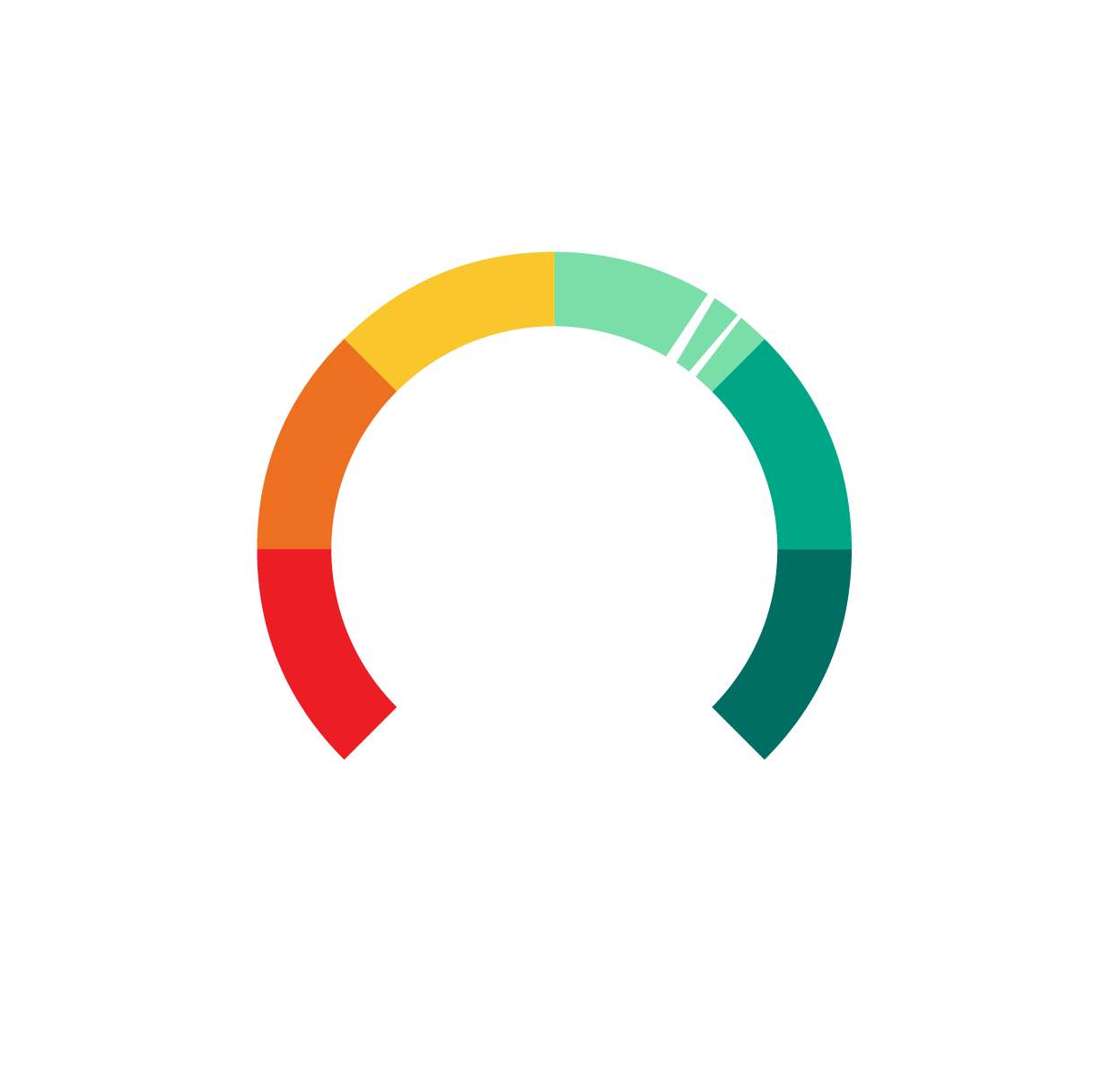
Tracking Confidence Over Time
The 2026 Recycling Confidence Index sits at 609 out of 1,000, down 18 points from the 2022 baseline score of 627. But that number alone does not tell the full story. First launched in August 2022, the Recycling Confidence Index was designed to track resident confidence and identify the factors that could be improved to support a system where people can and do recycle. This 2026 update shows where confidence has shifted, where the system is gaining ground, and where trust is still lacking.
What’s Driving the Decline
Eighty percent of Americans still believe recyclables become new products at least “sometimes,” but uncertainty is growing measurably. That doubt pulls down nearly every connected indicator, including perceived impact, sense of purpose, and motivation to keep participating.
Recycling feels harder than it did four years ago.
Twenty-eight percent of Americans now say recycling is difficult, up from 20% in 2022. That shift is showing up in related indicators as well. Residents who rely on shared containers or drop-off locations report the highest levels of frustration, as do lower-income households and younger adults.
Local communications aren't closing the confidence gap.
Only one in four Americans can recall receiving a communication from their local recycling program in the past year, a number virtually unchanged since 2022. Yet those 25% who do recall receiving a communication report stronger participation, greater confidence that they know what can be recycled locally, and higher confidence that recycled materials become new products.
The data also reveals an important nuance. Residents who recall communications are sometimes more likely to view recycling as difficult. This may reflect a deeper understanding of how the recycling system works. As people become more engaged, they learn more about accepted materials, preparation requirements, labeling, and collection systems. That growing awareness can make recycling feel more complex, even as confidence in the system and participation increase.
Broader anxieties are a factor.
To better understand perceptions of recycling in context, the 2026 survey also asked respondents to rate their level of concern across a range of issues—from economic pressures and artificial intelligence to environmental topics more directly linked to recycling, such as protecting wilderness and managing landfills.
Unsurprisingly, the findings point to a broadly anxious public, with high levels of concern spanning many issues and inflation and the cost of living emerging as the top worries. What is more striking, however, is that concern about plastic pollution ranks nearly as high. This signals that the public sees plastic pollution as an urgent issue—one they want addressed alongside, not secondary to, pressing economic challenges.
Importantly, there is also strong optimism that recycling can be part of the solution. When asked, “If people recycle more, will that help address the problem of plastic pollution?” two-thirds (68%) of respondents said yes.
Where Confidence is Holding
Despite declining confidence in the recycling system overall, residents remain engaged and ready for improvement. Overall, 57% of respondents say they want their recycling service to be better, and a clear majority continue to believe recycling has a positive impact. The research provides a clear pathway to supporting a more actively engaged and confident public.
Why This Research Exists
Sustained recycling participation requires residents to trust that what they put in the bin goes to a useful destination. When that trust erodes, participation eventually follows.
The Recycling Confidence Index gives local program managers, policymakers, and funding partners a quantifiable, trackable picture of where public trust stands and what influences it. The 2026 findings point to specific pressure points: the recycled-content story needs to be told more credibly at the local level, program access gaps are contributing to perceived difficulty, and communications investments need to be measured not just for reach but for effect.
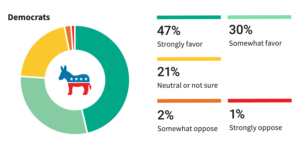
Extended Producer Responsibility policies are among the most significant tools available for closing those gaps. EPR directs funding toward the infrastructure improvements, including better access, more consistent service, and stronger communications, that this 2026 data shows are directly tied to higher confidence. And support for that approach spans the political spectrum: 68% of Republicans and 77% of Democrats favor EPR policies, demonstrating broad recognition that stronger recycling systems require sustained investment. As EPR legislation takes hold across states, the Recycling Confidence Index provides a measurable baseline for whether those investments are translating into the public trust the system needs to function. For policymakers and funders making the case for EPR, this data is the evidence.
Bipartisan Support for EPR is Strong
The Partnership conducts this research because the recycling system cannot improve what it cannot see clearly. The Recycling Confidence Index makes confidence visible.
*Extended producer responsibility or “EPR” laws require companies that sell packaged products to fund the statewide recycling system for those packaged materials. The goal is to improve recycling while saving money for taxpayers.

Methodology
The Recycling Confidence Index combines national survey data with qualitative focus groups to measure recycling confidence across demographic, socioeconomic, and geographic segments of the U.S. population. Survey questions are standardized on consistent response scales to allow for direct comparison over time.
The Recycling Confidence Index provides a more comprehensive view of confidence in the system, their local programs, and their own self-efficacy. More information on the measures that impact each of these areas will be released in 2026.
The 2022 Recycling Confidence Index established the national baseline. The 2026 study is the first measurement of change over time, and the foundation for ongoing longitudinal tracking of recycling confidence in the U.S.